|
SSWARS plans, promotes and implements sanitation and water supply infrastructure that are sustainable in the short, medium and long term. This means, systems that are cheap, easy to build, as well as operate and maintain. When necessary, SSWARS is involved in the design of water and sanitation systems.
In particular, SSWARS promotes innovative ecological sanitation systems for human excreta and grey water management as well as rainwater harvesting systems. Additionally, SSWARS promotes widespread campaigns for hygiene improvement in the communities we work with.
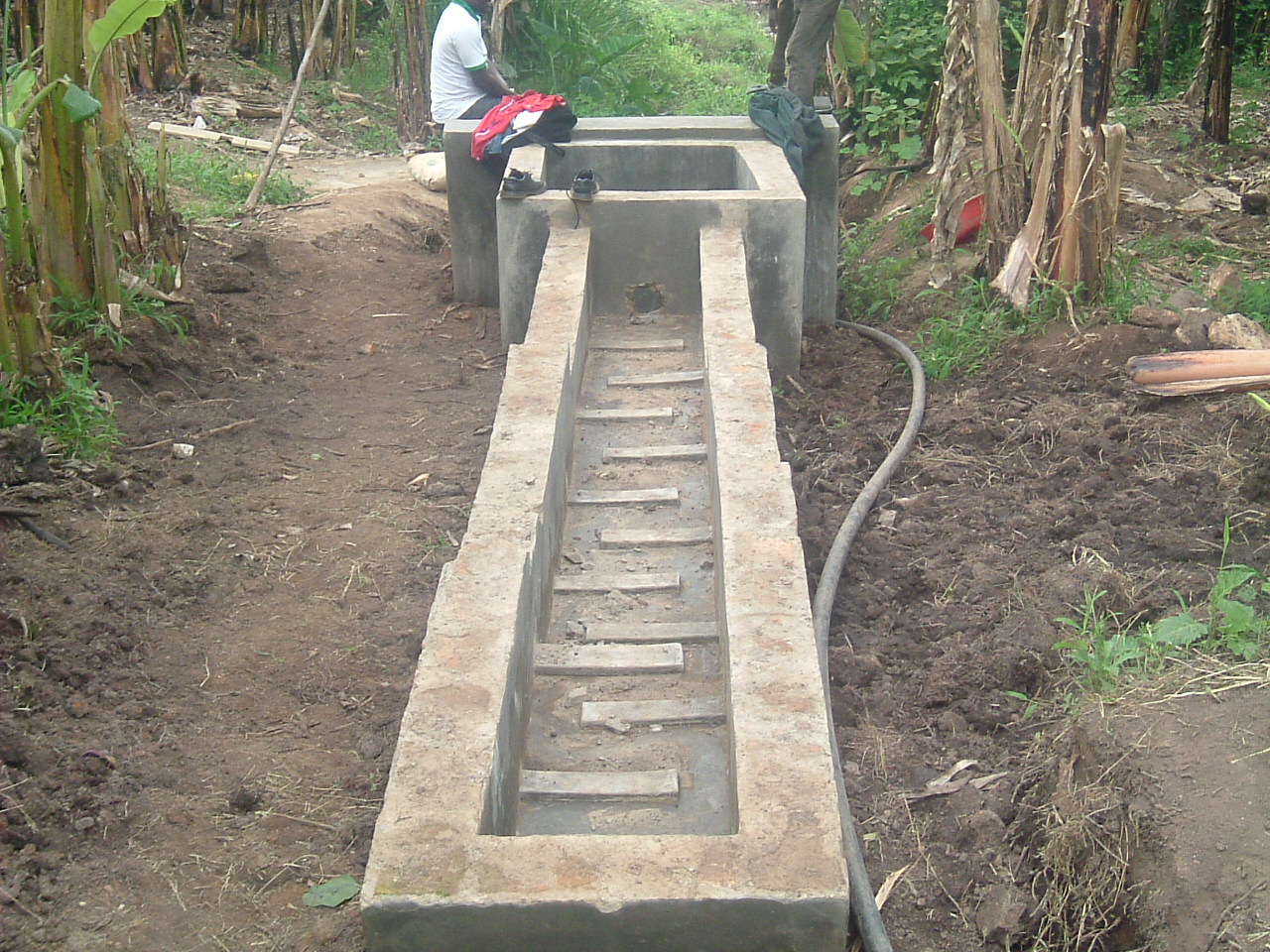
 Pits for the Fossa-Alterna toilet, Kyebando, Kawempe Division, Kampala, March 2007
|
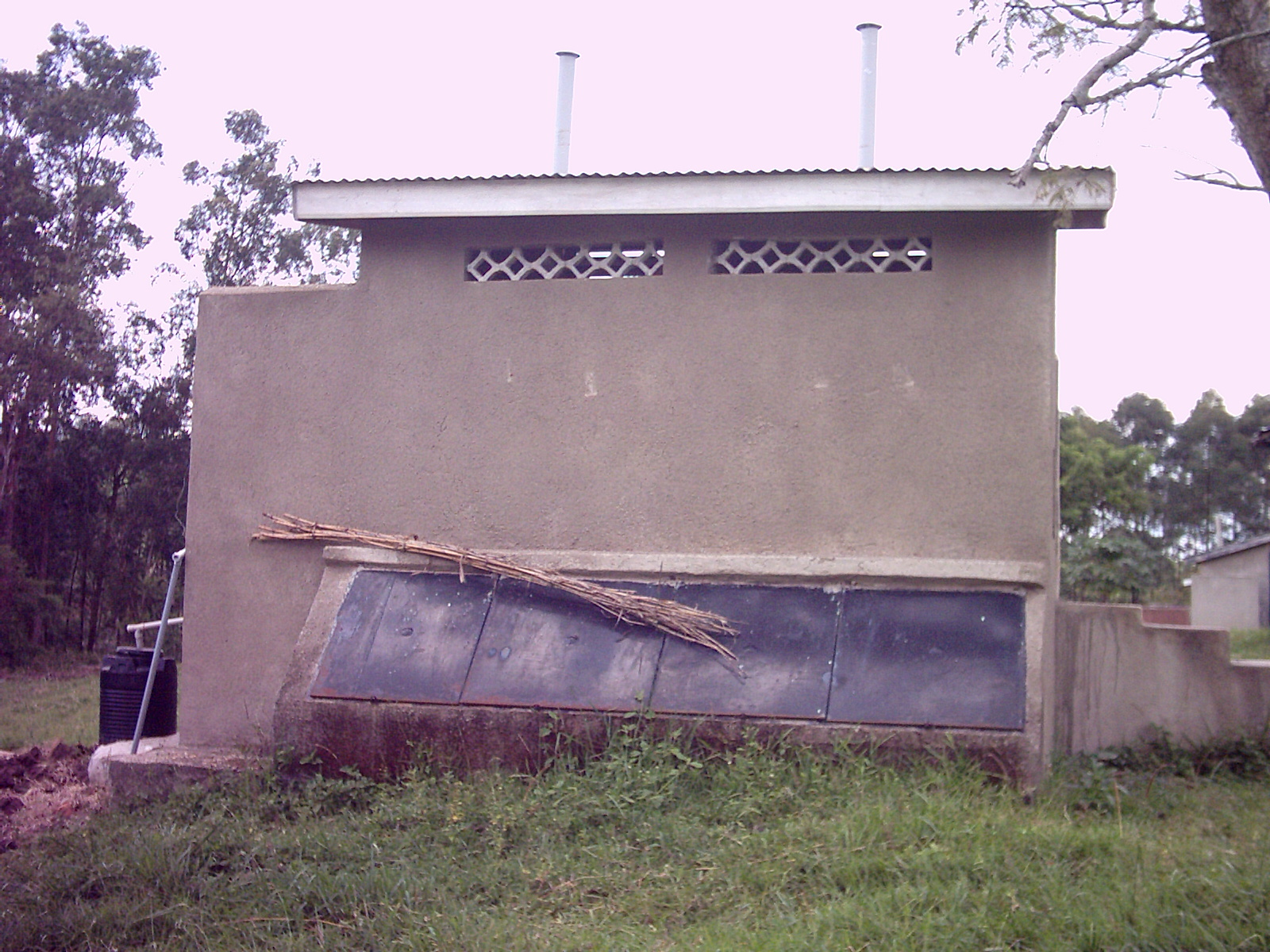
 The Fossa-Alterna superstructure, Kyebando, Kawempe Division, Kampala, March 2007
|
 Handover of tools to 20 masons trained by SSWARS, January 2007
|
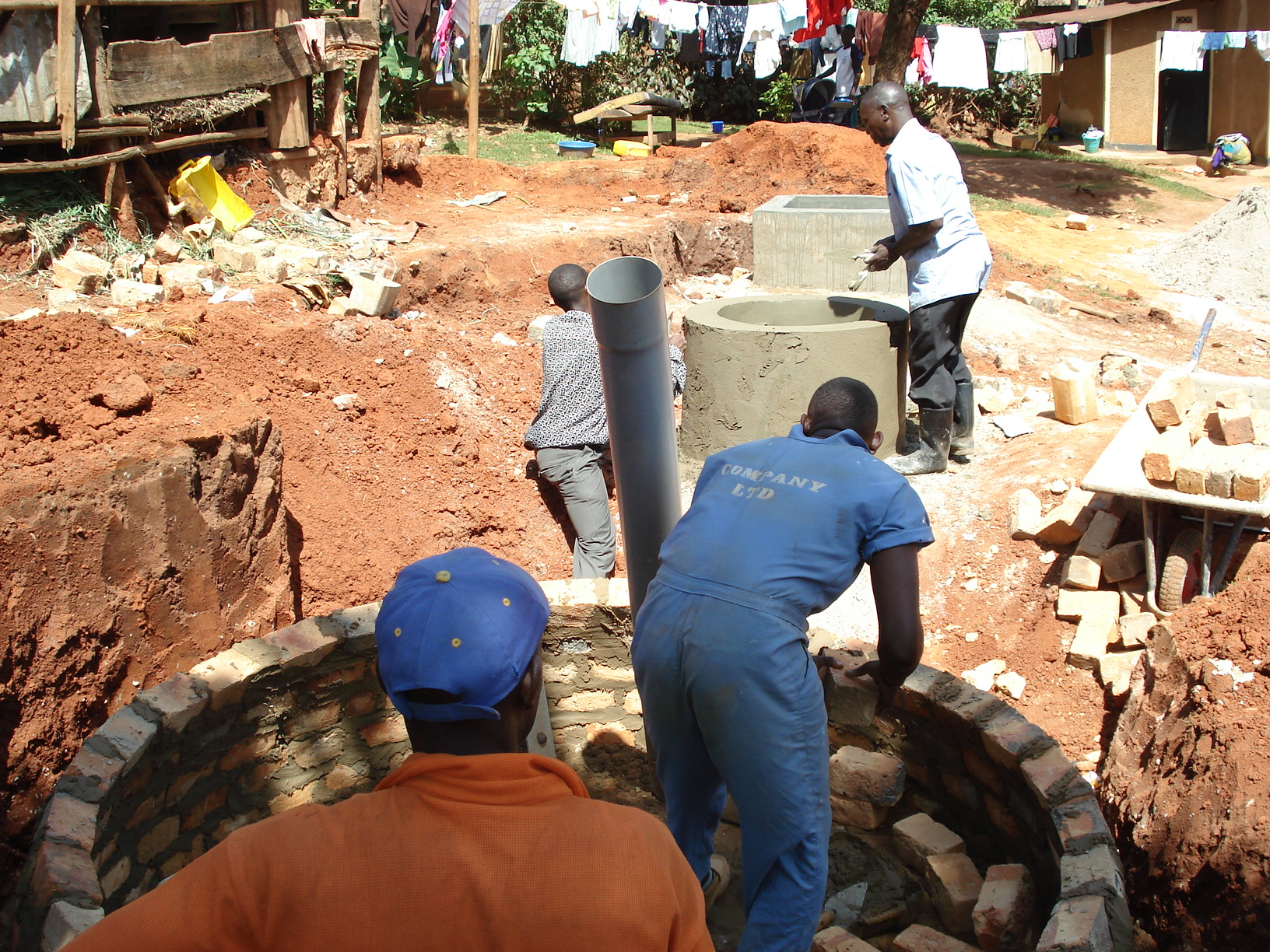
 Community Sanitation Center constructed by SSWARS, Mulago III, Kawempe Division, Kampala, Feb. 2007
|
The principle of cooperation rather than competition is highly regarded by SSWARS, so its operation is open to any initiative from national, regional and international Organizations and communities, which serve for the same cause as that of SSWARS.
How does SSWARS make sanitation and water supply systems cheap?
SSWARS makes maximum use (where possible) of appropriate locally available materials, involves communities to identify and provide local data for use in initial planning studies and investigations, trains communities in building of infrastructure as well as in operation and maintenance.
How does SSWARS identify beneficiary communities?
As reiterated above, the key objective is to uplift the status and well-being of the rural and urban poor with the possibility of alleviating poverty among these communities. Therefore, poor and marginalized communities are our target. The key question is: how does SSWARS identify the poor? SSWARS consults with relevant local government technical units, government officials, community leaders and elders to identify needy communities, which lack the basic water and sanitation services. SSWARS visits communities and discusses planned projects with them in order to get their input in planning for community project interventions in water supply and sanitation. Some solutions are within the community and require basic sensitization, while others require external input.
|